
How to Protect Your Child’s Spine This School Year: “A Back‑to‑School Guide”

1. Check Posture Habits Early
Good posture isn’t just about looking confident — it supports healthy spinal development, reduces fatigue, and helps kids stay focused in class.
Quick posture reminders for kids:
Feet flat on the floor when sitting
Shoulders relaxed, not rounded
Screens at eye level
Regular movement breaks every 30–45 minutes
A posture check‑in at the start of the year can prevent aches and pains later on.
2. Choose the Right Backpack
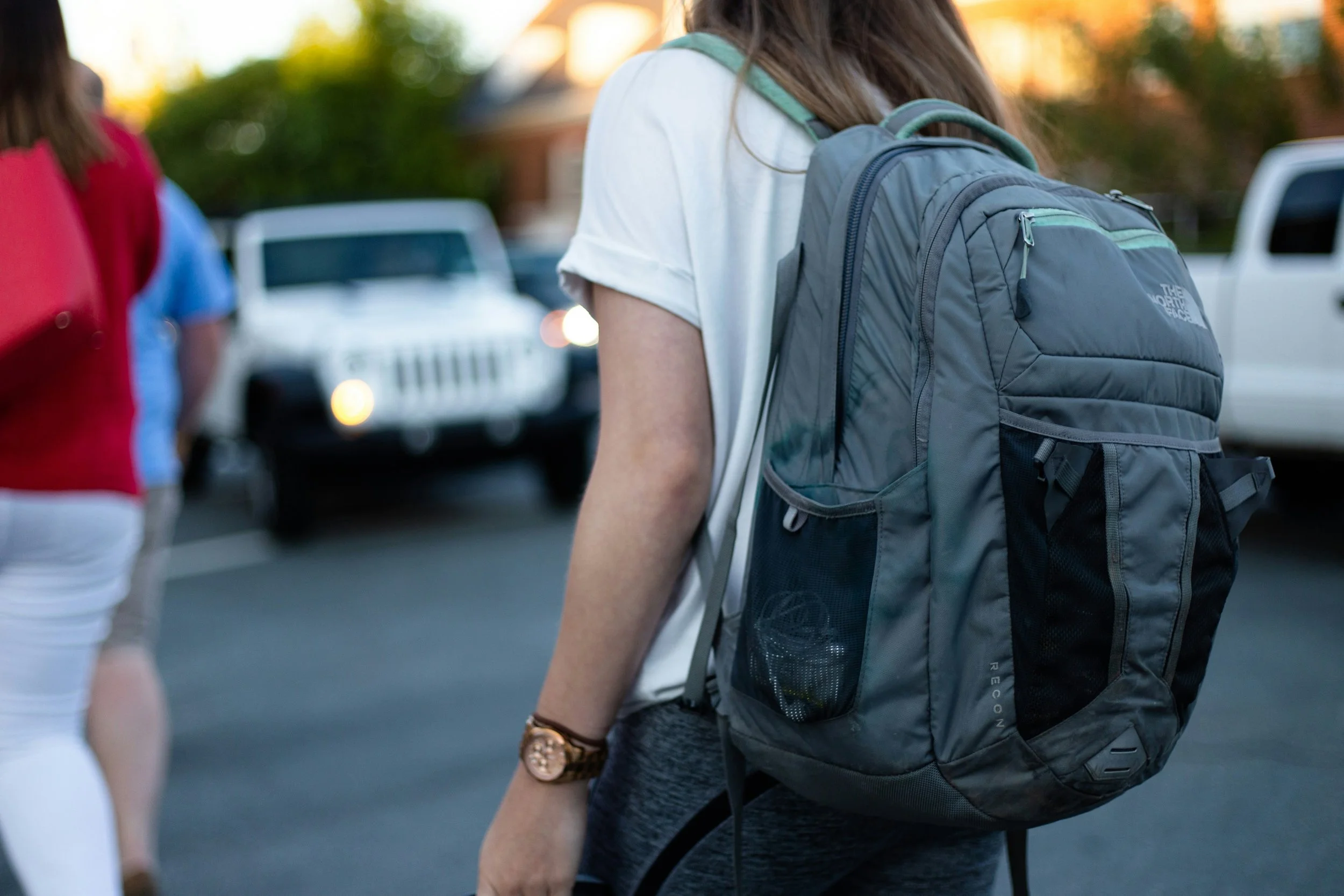
A teenager carrying a backpack
A poorly fitted backpack is one of the most common causes of back and shoulder strain in school‑aged children.
Look for:
Wide, padded shoulder straps
A supportive chest or waist strap
A lightweight design
A size that fits your child’s torso (not wider or longer than their back)
Pro tip: The backpack should weigh no more than 10–15% of your child’s body weight once packed.
3. Prioritise Healthy Lunches and Hydration
Nutrition plays a huge role in energy, concentration, and overall wellbeing.
Include:
Protein for sustained energy
Colourful fruits and veggies
Whole grains
A full water bottle (and a reminder to actually drink it)
Hydration alone can dramatically improve mood and focus throughout the school day.
4. Set Up an Ergonomic Homework Space
Kids spend more time than ever on devices. A supportive home study setup helps protect their neck, back, and eyes.
Checklist:
Chair that supports the lower back
Desk height allowing elbows to rest at 90 degrees
Screen at eye level
Good lighting to reduce eye strain
Encourage the “20‑20‑20 rule”: every 20 minutes, stand up, then look 20 metres away for 20 seconds.
5. Keep Kids Moving

Movement is essential for physical and mental health. It boosts concentration, improves sleep, and supports healthy growth.
Aim for:
Daily outdoor play (just remember the sun-cream)
At least 60 minutes of physical activity
Stretching after sports or long periods of sitting
Even small bursts of movement make a big difference.
6. Support Emotional Wellbeing
The transition back to school can be stressful. A balanced nervous system helps kids adapt more easily.
Try:
Consistent sleep routines
Mindfulness or breathing exercises
Open conversations about their day
Limiting screen time before bed
A calm body supports a calm mind.
7. Schedule a Back‑to‑School Chiropractic Check
A chiropractic assessment helps ensure your child’s spine and neuro-muscular systems are functioning at their best. It’s especially valuable if they’ve had:
A growth spurt
A sports injury
Posture concerns
Headaches or back pain
A heavy backpack routine
Starting the year aligned and in balance sets the foundation for better focus, comfort, and overall wellbeing.
8. Final Thoughts
Back‑to‑school season is the perfect time to reset routines and support your child’s health from the inside out. With a few simple steps — and a little proactive care — you can help them thrive all year long.
If you’d like to book a back‑to‑school check for your child or have questions about posture, backpacks, or spinal health, our Chiropractors are here to help.