
TMJ and Neck Pain: Understanding the Connection & How Chiropractic Treatment Can Help
The Connection Between TMJ Dysfunction and Neck Pain: What You Need to Know
Jaw pain and neck pain often show up together — and that’s not a coincidence. Many patients come to our chiropractic clinic reporting TMJ symptoms, neck stiffness, headaches, or a feeling that their jaw and neck are “pulling on each other.”
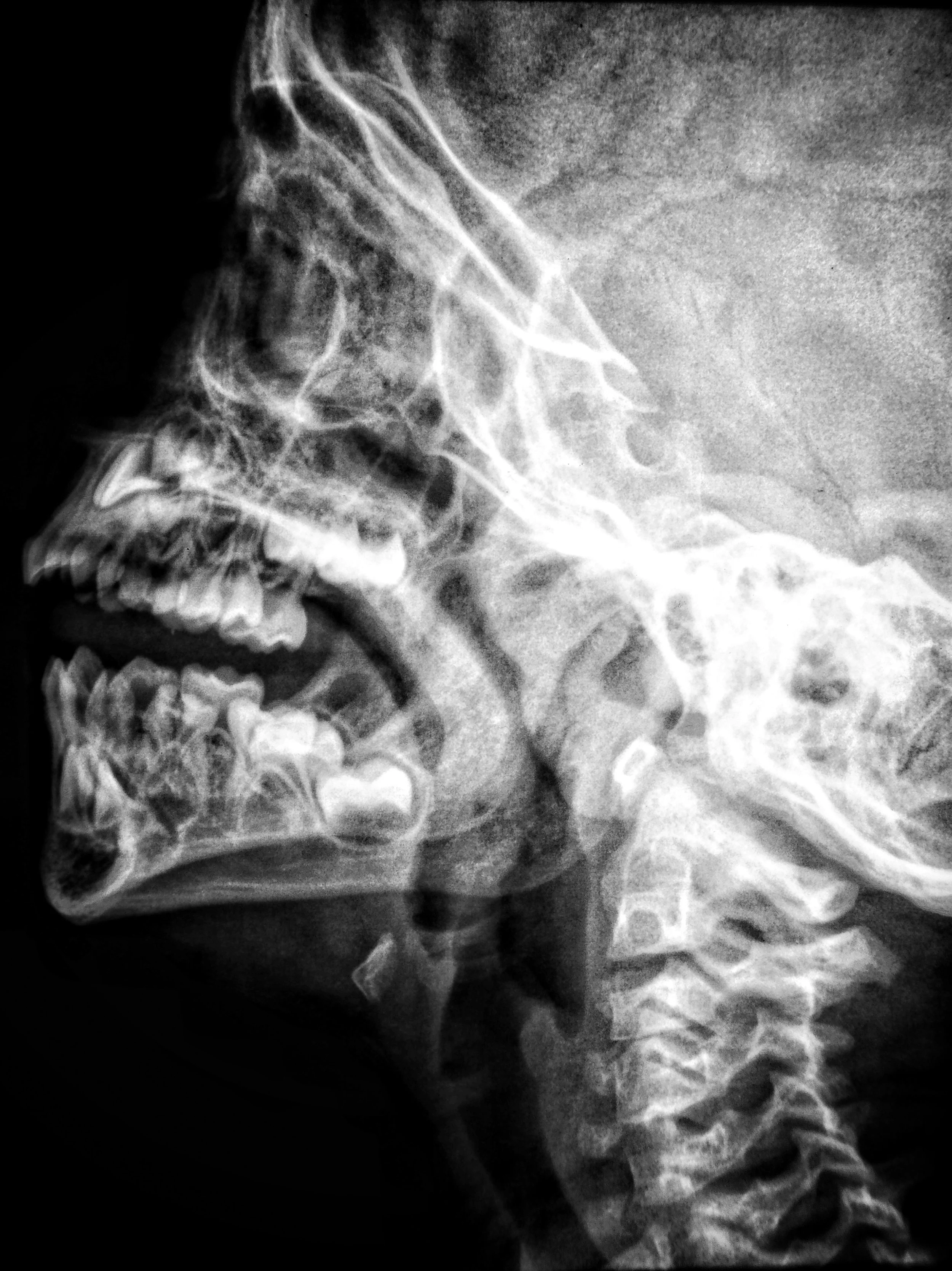
Current research shows a strong anatomical and neurological link between the temporomandibular joint (TMJ) and the cervical spine, meaning dysfunction in one area can directly influence the other. Understanding this relationship is the first step toward long‑lasting relief.

How the TMJ and Neck Are Connected: An Anatomical & Neurological Overview
1. Shared Muscles and Fascial Connections
The TMJ doesn’t work alone. It’s supported by muscles that attach to the skull, jaw, and neck — including the masseter, temporalis, digastric, and sternocleidomastoid (SCM).
Research shows that increased tension in jaw muscles can alter cervical muscle activation patterns, contributing to neck pain and reduced mobility.
2. The Trigeminal–Cervical Connection
The trigeminal nerve, which supplies sensation to the jaw and face, shares neurological pathways with the upper cervical nerves (C1–C3). This convergence happens in the trigeminocervical nucleus, a region of the brainstem where signals from the jaw and neck overlap.
This means:
Jaw dysfunction can create referred pain into the neck
Neck dysfunction can trigger facial or jaw pain
Headaches can develop due to shared neural pathways
This mechanism is well‑documented in pain science literature and explains why TMJ disorders often present with neck‑related symptoms.
3. Posture and Biomechanics
Forward head posture — common with desk work, phone use, and stress — increases load on the cervical spine and alters jaw mechanics. Studies show that poor cervical posture can change the resting position of the mandible and increase TMJ strain.
Common Symptoms of TMJ‑Related Neck Pain
Patients experiencing combined TMJ and neck dysfunction often report:
Jaw clicking, popping, or locking
Pain when chewing or talking
Neck stiffness or reduced range of motion
Headaches (especially temples or behind the eyes)
Ear fullness or ringing
Ear pain with the absence of an ear infection
Facial tension or clenching
Shoulder tightness
Pain that worsens with stress or long hours at a desk
If these symptoms sound familiar, you’re not alone — and they’re often treatable with the right approach.
Evidence‑Based Chiropractic Treatment for TMJ and Neck Pain
At the Sydney Spine and Sports Clinic in Pagewood and in the East of Sydney, our chiropractors take an evidence‑based, whole‑body approach to TMJ and neck pain relief. We don’t just treat symptoms — we assess the underlying biomechanics, muscular patterns, and neurological factors contributing to your discomfort.
How Chiropractic Care Helps
1. Cervical Spine Assessment and Treatment
Research supports the use of manual therapy for improving cervical mobility and reducing pain associated with TMJ disorders. Gentle chiropractic adjustments and mobilisations can help restore normal movement and reduce irritation in the upper cervical joints.
2. TMJ‑Focused Manual Therapy
This may include:
Soft‑tissue release for jaw and neck muscles
Trigger point therapy and myofascial dry needling
Intra‑oral muscle release techniques (where appropriate)
Joint mobilisation of the TMJ
These methods have been shown to reduce pain and improve jaw function in patients with TMD (temporomandibular disorders).
3. Postural and Movement Correction
We assess how your posture, workstation setup, and daily habits influence your jaw and neck mechanics. Corrective exercises and ergonomic strategies help reduce strain and prevent symptoms from returning.
4. Neuromuscular Retraining
Because the jaw and neck share neurological pathways, retraining muscle activation patterns is essential. We guide patients through exercises that improve coordination, reduce clenching, and support long‑term stability.
5. Collaborative Care When Needed
For complex TMJ cases, we may work alongside dentists, physiotherapists, or other healthcare providers to ensure a comprehensive, multidisciplinary approach.
When to See a Chiropractor for TMJ or Neck Pain
You may benefit from chiropractic care if you experience:
Persistent jaw pain or clicking
Neck pain that doesn’t improve with rest
Headaches linked to jaw tension
Pain when chewing or yawning
A feeling of tightness from the jaw down into the shoulders
Clenching or grinding (especially during stress)
Early assessment leads to better outcomes — especially when symptoms involve both the jaw and neck.
Get TMJ and Neck Pain Relief in Pagewood and in Sydney East
If you’re searching for TMJ treatment, a neck pain chiropractor near me, or chiropractic treatment for jaw pain, our team at Sydney Spine and Sports Clinic is here to help.
We provide personalised, evidence‑based care to help you move better, feel better, and get back to your daily life without constant tension or discomfort.
Book your consultation today and take the first step toward lasting TMJ and neck pain relief.