
Winter Sports Prep: Warm-Ups for Injury Prevention from Your Sydney Chiropractor
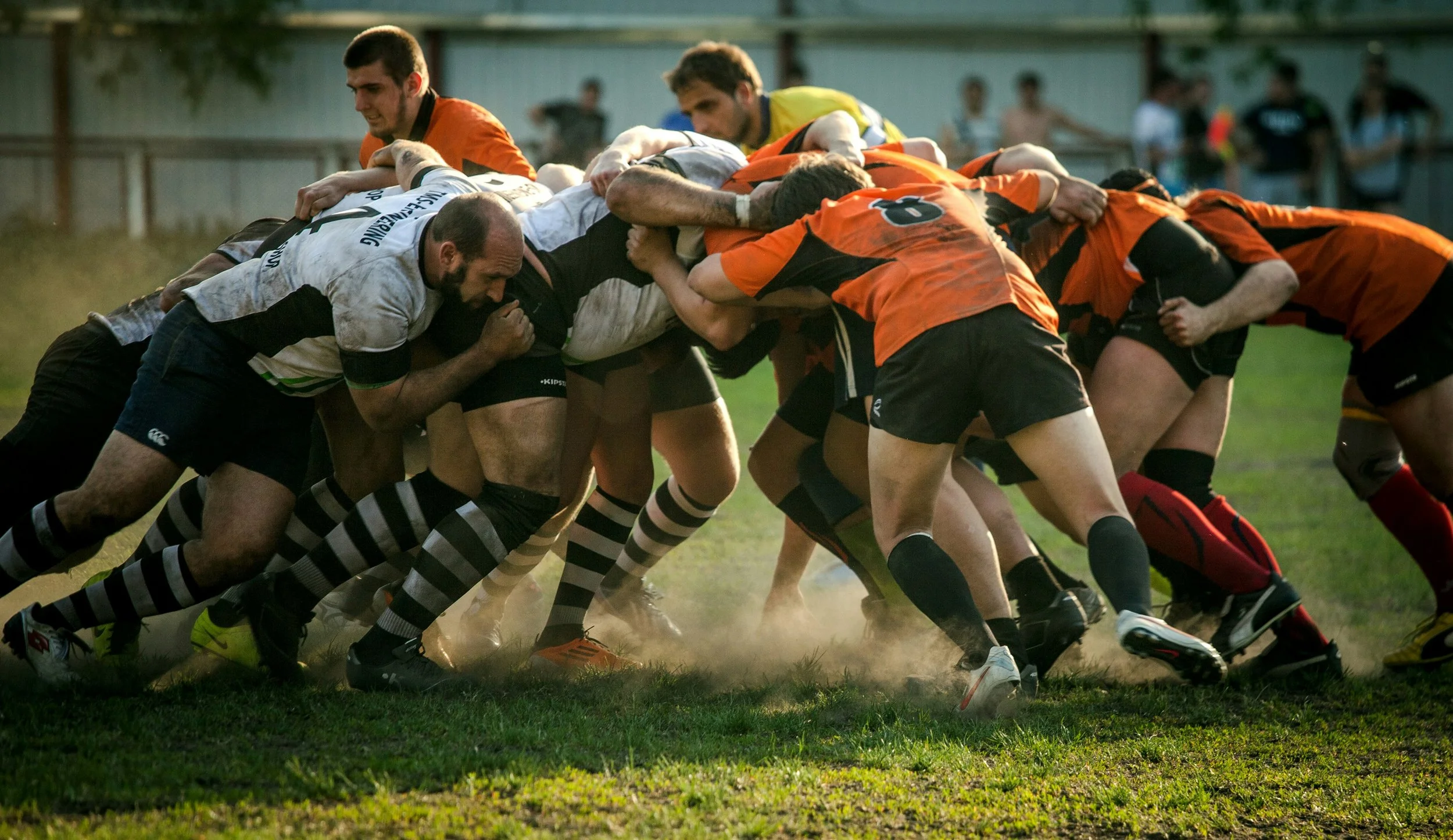
It's that time of year again. Soccer, Rugby and AFL competitions are heating up, touch football nights are back on the schedule, and plenty of Sydney locals are already eyeing a Perisher or Thredbo trip in the coming months. Winter sport season brings out the best in this city — and, unfortunately, some of the worst injury rates we see all year at the clinic.
Most of those injuries are not freak accidents. They're predictable. And a lot of them happen in the first ten minutes of activity.
Here's why: on a cold Sydney morning, your muscles are less pliable, your joints are stiffer, and your nervous system hasn't yet "switched on" for the demands of explosive movement. You go from sitting in traffic to sprinting for a ball, and your body objects. Research published in the British Journal of Sports Medicine found that structured dynamic warm-ups reduce lower limb injuries by up to 50% in team sport athletes — not from stretching, but from the right kind of movement preparation beforehand.
Static stretching before sport — the kind where you hold a hamstring stretch for 30 seconds — actually reduces muscle force production. It's not useless, but it belongs post-session, not before. What works before sport is dynamic preparation: movements that progressively load your tissues, drive blood flow to working muscles, and get your neuromuscular system firing the way it'll need to during the game.
Here's what that looks like in practice. This takes around 8–10 minutes.
1) Leg Swings (Front-to-Back and Side-to-Side)
Everyone knows the leg swing, but they are still proven to be one of the most effective warmup tools we have in preparation to sport. Hold a wall or post and swing one leg forward and back through a comfortable range, gradually increasing the amplitude over 10–15 reps. Then switch to a side-to-side swing.
Do both sides.
Why? Hip flexors and adductors are common injury sites in rugby, soccer, and AFL. Leg swings take these muscles through a dynamic range under control, improving synovial fluid distribution in the hip joint and activating the surrounding stabilisers. Research shows hip joint range of motion improves meaningfully after just 2–3 minutes of this kind of dynamic mobilisation.
2) Hip CARs (Controlled Articular Rotations)
Stand on one leg and draw slow, large circles with the opposite knee — up, out, back, and down. The goal is controlled, deliberate movement through the full range of the hip joint. Five circles each direction, both sides.
Why? CARs are arguably the best single tool for joint health before exercise. They assess and train the end ranges of the hip joint under muscular control rather than passive load. For skiers heading to Thredbo, where hip and knee control through variable terrain is everything, this is not an optional prep — it's necessary.
3) Dynamic Lunge with Rotation
Everyone playing sport has done a lunge from time to time; it still remains a staple for active muscle warmups. Step forward into a lunge, then rotate your torso toward your front leg and reach your arm skyward. Return to standing and repeat on the other side. Ten reps total.
Why? This movement hits several things at once — hip flexor length, thoracic rotation, single-leg stability, and glute activation. Studies on neuromuscular warm-up protocols show that exercises requiring multi-planar coordination improve motor unit recruitment, meaning more of the right muscles fire at the right time when sport demands it. Check this video for lunge technique.

4) Inchworms
Stand with your feet hip-width apart, hinge forward, and put your hands on the ground. Walk your hands out to a plank position, do one push-up (optional), then walk your feet toward your hands and stand. Eight to ten reps.
Why? Inchworms are deceptively good. They load the hamstrings eccentrically (a lengthening muscle contraction) as you hinge, activate the anterior core through the plank position, and mobilise your middle back on the way back up. For touch football players and AFL athletes who do a lot of change-of-direction work, hamstring preparation is non-negotiable — the hamstring is the most commonly strained muscle in field sports, and eccentric loading before activity is one of the better-supported ways to reduce that risk.

A Note on Skiing and Snowboarding Prep
If you're heading to the Snowy Mountains this winter, your preparation starts well before you get on the mountain. Skiers in particular need quad and glute strength to tolerate the sustained eccentric demands of carving and absorbing terrain. Add wall sits and single-leg Romanian deadlifts to your gym sessions from now and arrive in better shape than 90% of people on the lifts.
A Final Thought
The research on warm-ups isn't just about reducing injury risk — it's about performance. Athletes who complete structured dynamic preparation show better sprint times, higher jump heights, and improved reactive agility compared to those who don't. You're not just protecting yourself; you're actually improving your output for the session.
Whether you're pulling on a jersey for the first time this season or counting down to your first run at Perisher, take the warm-up seriously. Ten minutes before every session is a small investment for a long, injury-free winter.
If you're dealing with a niggle heading into your season — a tight hip, a grumpy knee, a lower back that flares up every time you play — don't wait until it becomes a proper injury. Our team at Sydney Spine and Sports Clinics in Pagewood, Double Bay and Town Hall work with a lot of active adults and children who have waited too long and ended up on the sidelines for months. Early assessment and management changes the trajectory quickly.